
In Uzbekistan, food is how people say welcome. Here are the twelve dishes we make sure every guest tries, and the little rules that come with them.
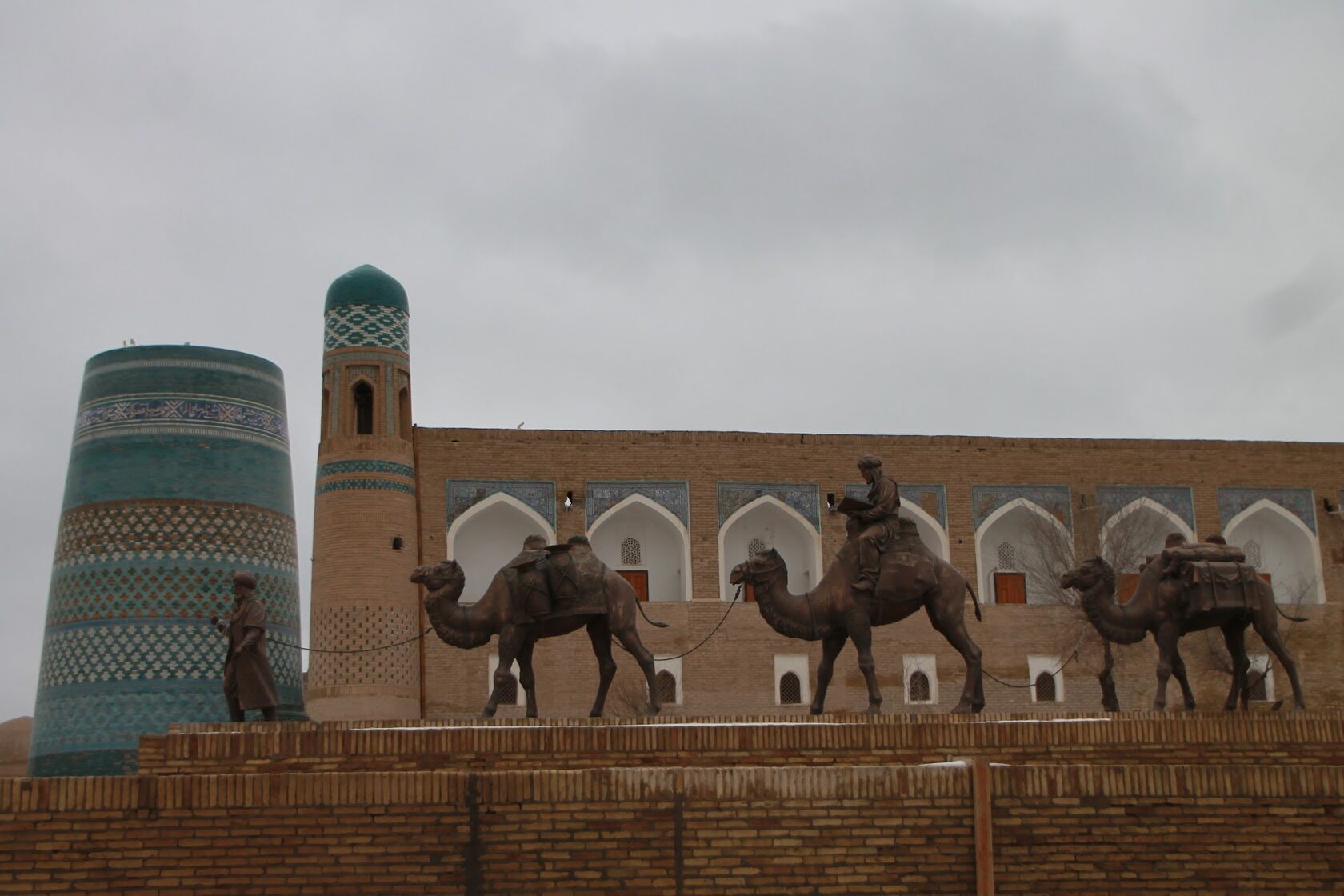
Uzbek cuisine was shaped by the Silk Road. Nomads brought meat and dairy, Persian cities brought rice dishes and sweets, and Chinese traders brought noodles. The result is hearty, generous food built around lamb or beef, fresh bread and vegetables that taste of the sun.
We are a Tashkent family company, and food is a large part of every trip we plan. Below is our list, followed by tips on teahouses, table etiquette and food for vegetarians.
1. Plov (osh)
The national dish and a matter of pride. Rice is cooked in a large cast-iron kazan with carrots cut into thin strips, onions, meat and cumin, often with chickpeas, raisins or quail eggs. The "culture and tradition of palov" is on UNESCO's list of the Intangible Cultural Heritage of Humanity.
Every region has its own version: Tashkent plov is rich and festive, Samarkand plov is served in layers that are not mixed, and other regions add quince, raisins or garlic heads. Plov is traditionally a lunch dish, and the best plov centres serve it until it runs out, usually by early afternoon.
2. Non (bread)
Round flatbread baked on the walls of a clay tandoor. Bread is sacred here: it is never placed upside down and never thrown away. Samarkand non is famous across the country for being dense, glossy and keeping fresh for days. Watch it being baked at the Siab Bazaar.
3. Samsa
Pastry filled with meat and onion, baked in the tandoor until the bottom is crisp. Look for the triangular samsa sold hot from roadside tandoors in the morning. Pumpkin samsa is a seasonal treat in autumn.
4. Lagman
Hand-pulled noodles with meat and vegetables, either as a soup or fried. Lagman came to Uzbekistan with the Uyghurs, and watching a cook stretch the dough into long noodles is part of the fun.
5. Manti
Large steamed dumplings with minced lamb and onion, sometimes pumpkin. They are served with sour cream or yogurt.
6. Shashlik
Skewers grilled over charcoal: lamb, beef, chicken, minced kebab, and liver for the brave. Shashlik is served with raw onion, vinegar and bread, and it is the classic dinner after a long day of sightseeing.
7. Shurpa
A clear soup of lamb with large pieces of potato, carrot and chickpeas, perfect on a cool evening or after a long journey.
8. Dimlama
A slow-braised stew of meat and layered vegetables: potatoes, carrots, cabbage, peppers, tomatoes and herbs. The vegetables cook in their own juices, so it tastes best in summer and early autumn.
9. Chuchvara
Small dumplings, similar to Russian pelmeni, served in broth or fried, with yogurt and herbs.
10. Naryn (Tashkent)
A cold dish of finely chopped boiled noodles and horse meat, often eaten in the morning in Tashkent. It is a local favourite that few visitors know about.
11. Shivit oshi (Khiva)
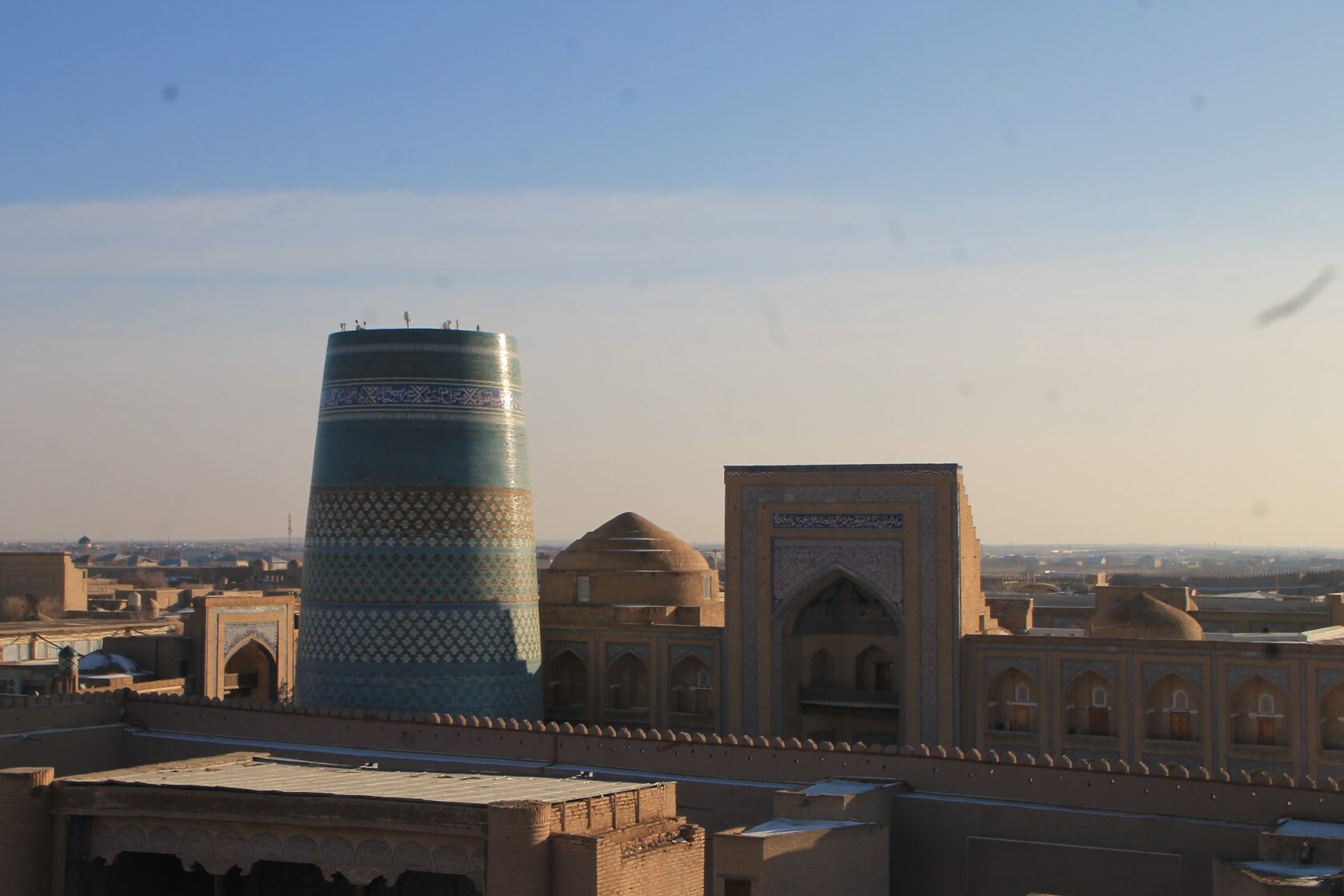
Bright green noodles made with fresh dill, served with a meat and vegetable stew and yogurt. You will find it in Khiva and the Khorezm region, and nowhere else does it taste the same. See our Khiva and Khorezm guide.
12. Tuhum barak (Khiva)
Delicate boiled dumplings filled with egg, another Khorezm speciality. Try them in a family restaurant inside the walls of Itchan Kala.
Sweets, fruit and tea
Finish with halva, navat (crystallised sugar served with tea) and dried apricots, raisins and nuts from the bazaar. In late spring and summer, try the fruit: apricots, cherries, grapes and, from late summer, the famous melons.
Green tea is drunk all day long. The host pours a little, fills the cup only halfway, and tops it up often. A half-full cup is a sign of respect, meaning you are welcome to stay.
In spring, around Navruz on 21 March, you may be offered sumalak, a sweet, dark paste of sprouted wheat that is cooked overnight while people sing and take turns stirring.
Where to eat
Plov centres serve only plov, and they serve a lot of it. In Tashkent, people go to the large plov centres at lunchtime.
Teahouses (chaikhanas) are the place for shashlik, salads and tea in the shade.
Bazaars such as Chorsu in Tashkent are best for bread, samsa, dried fruit and nuts.
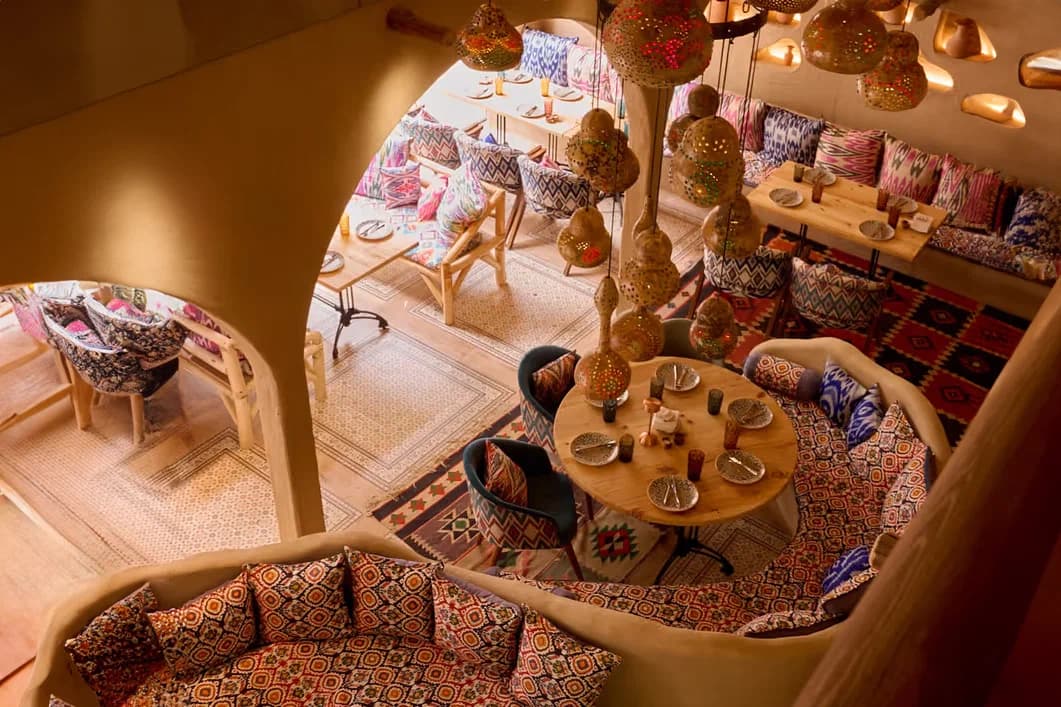
Family restaurants in the old towns of Bukhara and Khiva serve home recipes in courtyards and on rooftops.
Our tip: eat plov at lunch, shashlik at dinner, and samsa whenever you see smoke rising from a tandoor.
Tips for your stomach and your diet
- In the first few days, go easy on fatty dishes and drink plenty of green tea.
- Drink bottled water. Tea and food from busy places are safe.
- Vegetarians will find plenty to eat: salads, vegetable samsa, pumpkin manti, bread, soups made without meat on request, fruit and sweets. Let your host know in advance and they will arrange meals with the restaurants.
- Restaurants often add a service charge of around 10–15 % to the bill. Check the menu before you order.
Tasting Uzbekistan with SÁTRA
We choose restaurants for our guests in every city and, on request, add food experiences to the route, such as a plov lunch or a cooking class. See our restaurants and gastronomy service, or add food experiences to any route, for example Classics of the East or The Great Silk Road with Khiva.
Planning the route itself? Read our Uzbekistan itinerary for 7 to 10 days.
