
Bukhara is not a city you tick off. You live in it for a couple of days. Here is where to go, in what order, and where to pause so the city has time to catch up with you.
Bukhara is more than 2,500 years old, and its entire historic centre is a UNESCO World Heritage Site. Unlike Samarkand, where monuments stand as separate ensembles, Bukhara's old town has survived as a living fabric: lanes, bazaar domes, old ponds and workshops. Almost everything is within walking distance.
We have put together the ten places we show our guests and a two-day itinerary. If you only have one day, start with the first five. For a broader overview, see our Bukhara travel guide.
10 places you need to understand Bukhara
1. The Ark fortress
The city's oldest structure · in the morning
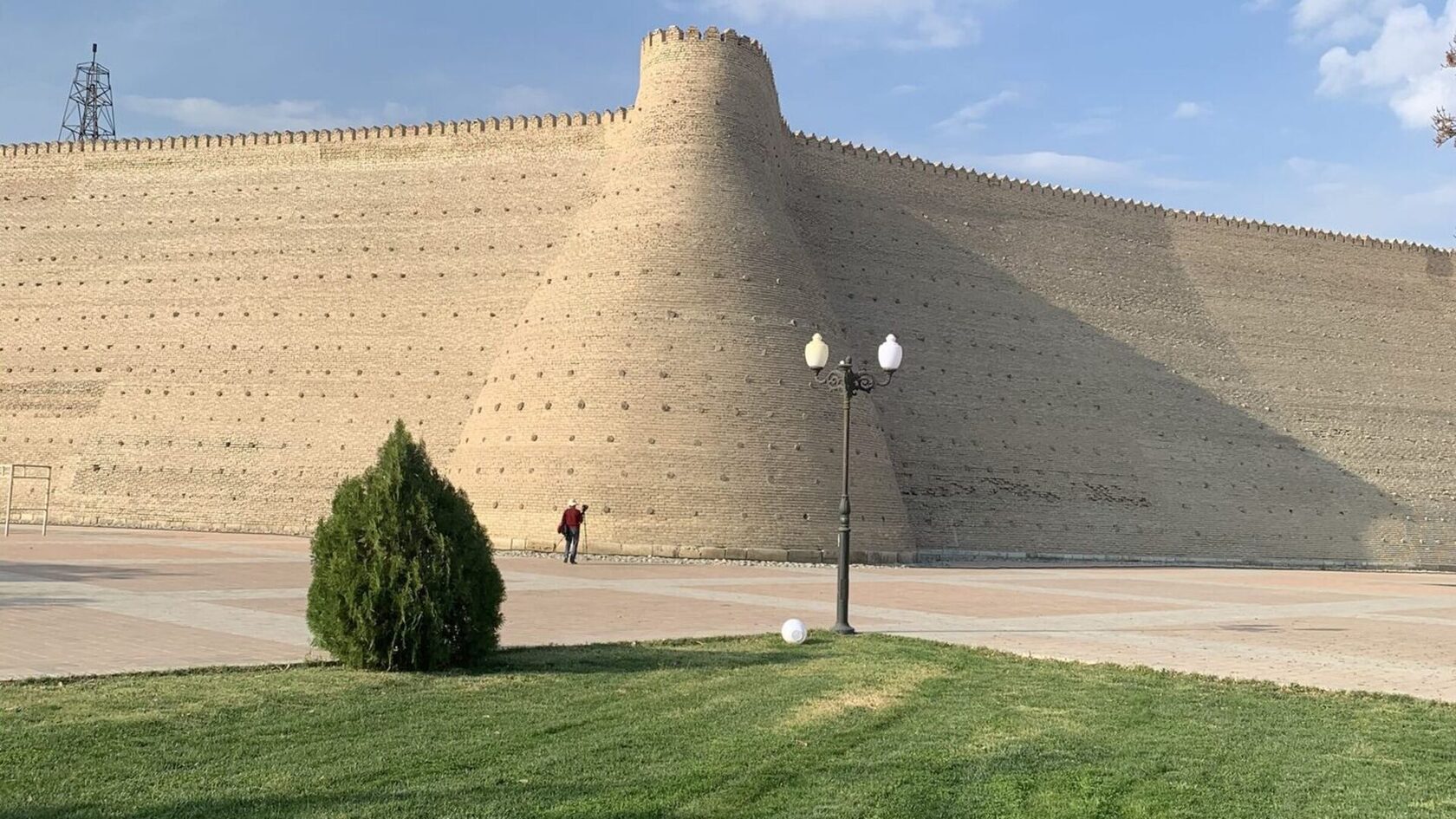
A city within a city. Behind its massive walls lived the emirs of Bukhara, with mosques, reception halls, a treasury and a prison. The Ark remained the rulers' residence until 1920. Legend credits its founding to the hero Siyavush. Today it houses museums, and the walls give you a view over the old town.
2. Poi-Kalyan ensemble
12th–16th centuries · by day and again at sunset
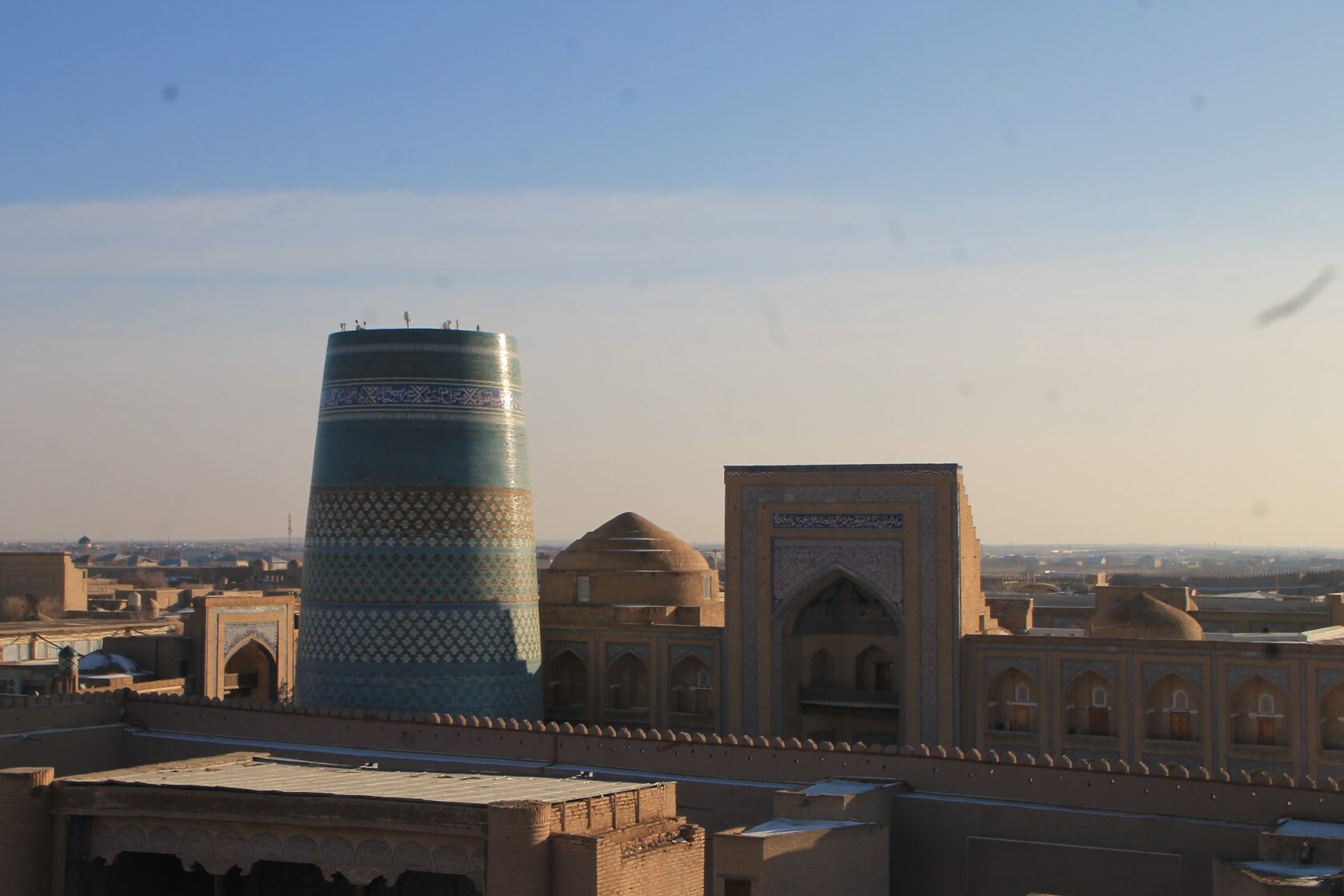
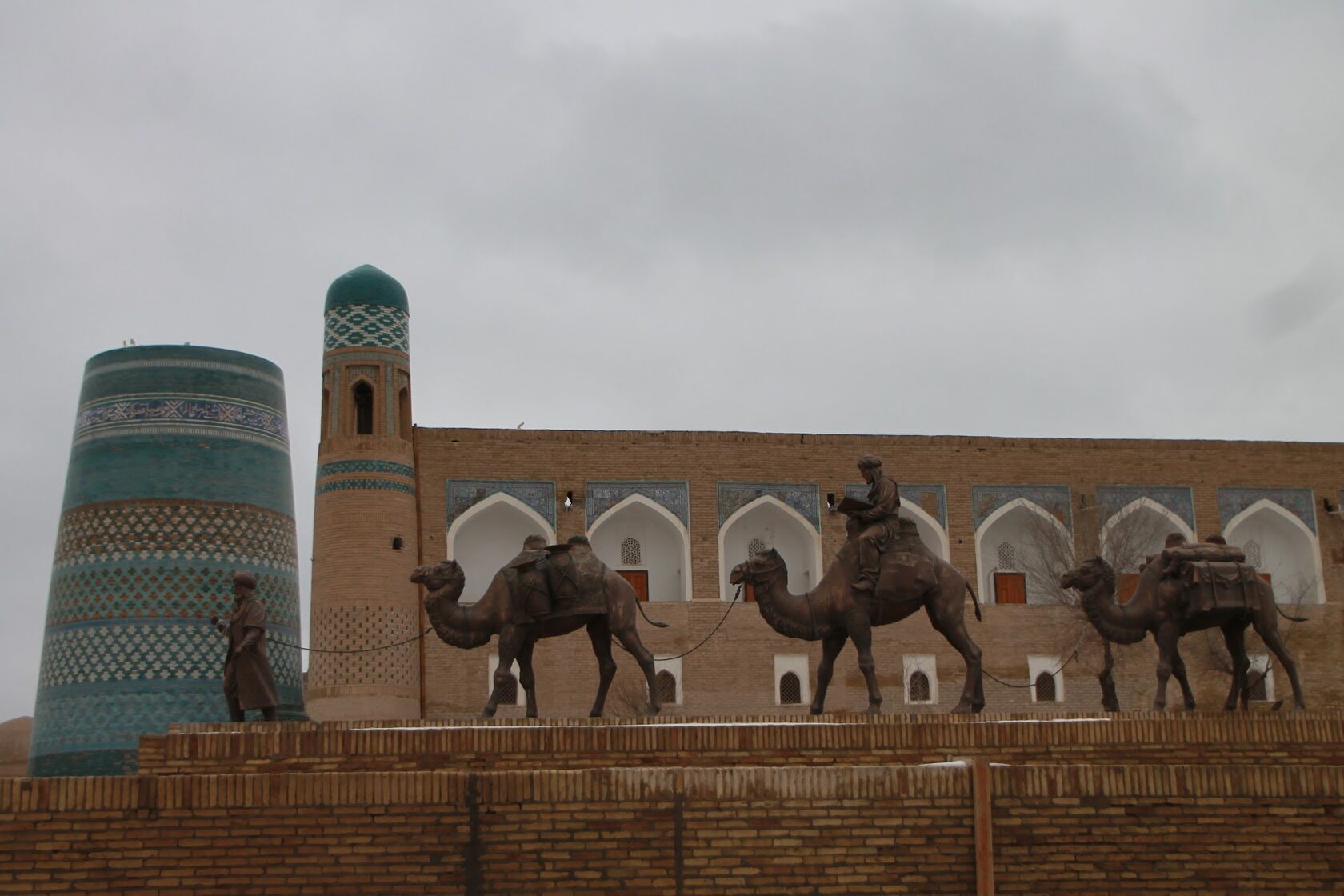
The heart of old Bukhara. The Kalyan Minaret was raised in 1127 and stands about 46 metres tall. Legend says Genghis Khan was so struck by it that he ordered it spared. Beside it stand the 16th-century Kalyan Mosque and the working Mir-i-Arab Madrasa with its turquoise domes.
The best view of the ensemble is from the rooftop terraces around the square. We know where to have coffee with the minaret right in front of you.
3. The trading domes
16th century · any time of day
When Bukhara became the Shaybanid capital, domes were built over the crossroads of its trading streets. Each had its own trade: Toki-Zargaron for jewellers, Toki-Sarrafon for money changers, Toki-Telpak-Furushon for hat makers. Trade under them has never stopped.
4. Lyabi-Hauz
16th–17th centuries · in the evening
A square around an old pond where the whole town gathers in the evening. Around the water stand the Kukeldash Madrasa and the madrasa and khanaka of Nadir Divan-Begi. Plane trees several centuries old lean over the pond, and nearby is a statue of Khoja Nasreddin. It is the place to have dinner and plan nothing.
5. Samanid Mausoleum
9th–10th centuries · in a park, 15 minutes from the Ark
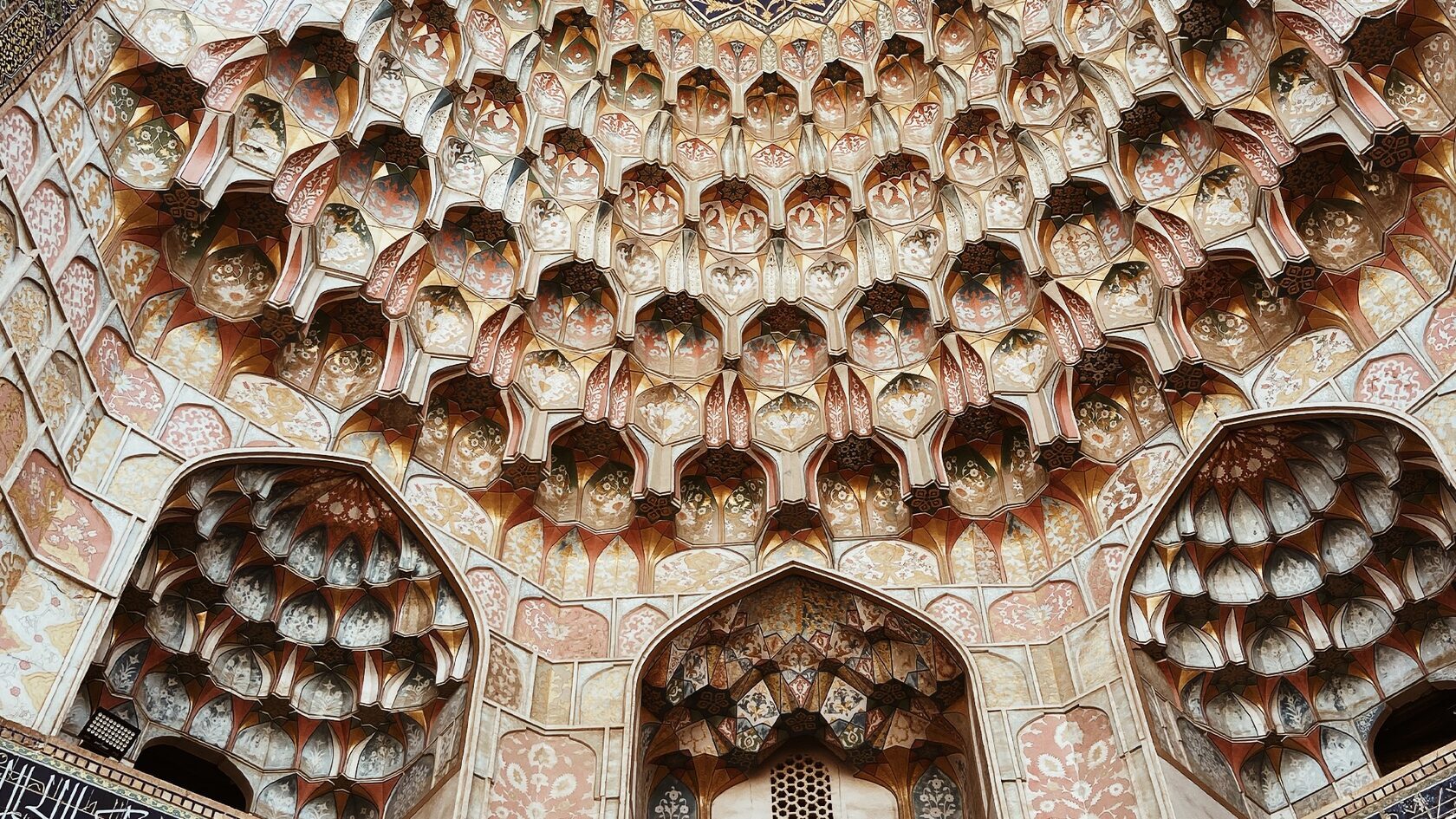
One of the oldest monuments of Islamic architecture in Central Asia. The bricks are laid so that the walls look woven, and the pattern changes with the light through the day. A small building that many of our guests call the most beautiful in Bukhara.
6. Chor-Minor
1807 · in a residential mahalla, away from the tourist streets
Four turquoise domes over the gate of a former madrasa. It is small but very photogenic, and the walk there takes you through residential neighbourhoods where you see everyday Bukhara.
7. Ulugh Beg and Abdulaziz Khan madrasas
1417 and 1652 · facing each other
Two madrasas more than two centuries apart. The austere Ulugh Beg Madrasa and the lavishly painted Abdulaziz Khan Madrasa show how the taste of Bukhara's patrons changed over time.
8. Sitorai Mohi-Hosa
Late 19th – early 20th century · 20 minutes by car
The summer palace of the last emirs. The name means "a star like the moon". Oriental carved plaster sits next to European furniture, and peacocks walk in the garden.
9. Artisan workshops
Old town · in the afternoon
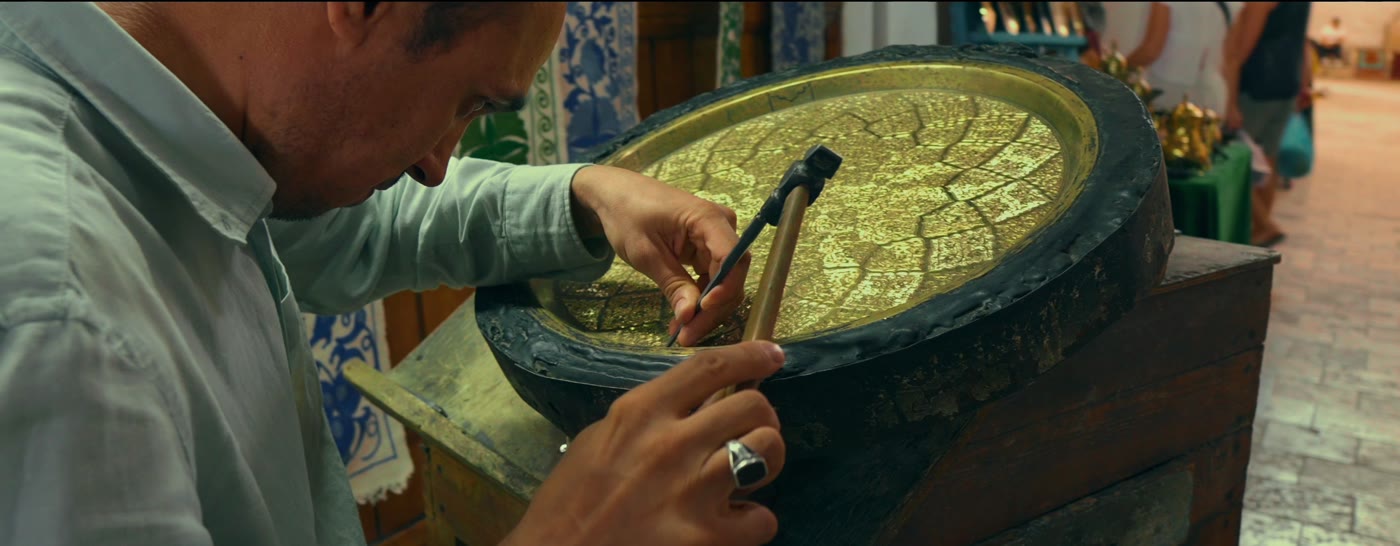
Bukhara is still a city of craftsmen: metal chasing, gold embroidery, suzani, silk ikat and knives from family forges. We take guests to masters we know personally, so what you buy comes with a story, not from the first tourist stall.
10. Bahauddin Naqshband complex
About 12 km from the city · in the morning
The resting place of the founder of the Naqshbandi Sufi order and one of the most important pilgrimage sites in Central Asia. A quiet complex of gardens and covered terraces, and a good place to feel the spiritual side of Bukhara.
As at other holy sites, cover your shoulders and knees; women may want to bring a scarf.
Bukhara in two days
Day 1. In the morning, the Ark and the Bolo-Hauz Mosque opposite it, then the Samanid Mausoleum. After lunch, Poi-Kalyan and the trading domes. Sunset on a terrace facing the minaret, dinner at Lyabi-Hauz.
Day 2. In the morning, the Bahauddin Naqshband complex. In the afternoon, the Ulugh Beg and Abdulaziz Khan madrasas and Chor-Minor through the mahalla. Keep the evening for workshops and a free walk.
Day 3, if you have it. The Sitorai Mohi-Hosa palace and a slow lunch in a garden. Bukhara opens up best when you are not in a hurry.
Avicenna, the physician and philosopher known in Uzbekistan as Ibn Sina, was born in a village near Bukhara. Ask your guide about him.
Practical tips before you go
Getting there. The Afrosiyob high-speed train takes about an hour and a half from Samarkand and about four hours from Tashkent. There are also direct flights to Bukhara airport.
When to go. The most comfortable time is April to mid-June and September to early November. In winter Bukhara is quiet and nearly empty of tourists, and for many that is the best season.
How many days. At least two full days. Bukhara needs a slow pace.
Where to stay. Inside the old town, in a boutique hotel with a courtyard. Then everything is five minutes' walk away in the evening.
What to buy. Suzani, ikat, chased metal and knives. Better from the masters in their workshops than from the first stall at the entrance.
How we show Bukhara
We do not rush guests from monument to monument. In Bukhara the important things happen in between: in a madrasa courtyard, over tea by the pond, in a workshop where the master shows you his grandfather's tools. So we leave time for those pauses and choose ourselves whom to introduce you to.
Bukhara is part of our Ancient Duet, The Great Silk Road and Three Capitals of the East itineraries. Any of them can be tailored to your dates and pace. Planning the whole trip? See our 7 to 10 day Uzbekistan itinerary.
